


What is visual language? Types and examples
Every day we interact with hundreds of visual messages without even realizing it. From the logo on your favourite coffee cup to the layout of a website or the colour palette of a film, visual language influences how we perceive information, interpret emotions and connect with brands.
Unlike verbal communication, which relies on words, visual language communicates through images, colours, typography, symbols and composition. It allows designers to simplify complex ideas, create memorable experiences and build emotional connections in just a few seconds. In an increasingly digital world, where users are constantly exposed to visual content, understanding this language has become an essential skill for anyone working in design, branding or marketing.
If you have ever wondered what is visual language, how it works or why it is so important in creative industries, this guide explores its fundamental principles, the main types of visual language, and how it is applied across different disciplines.
What is visual language?
Visual language is a communication system that conveys ideas, emotions and information through visual elements rather than relying exclusively on written or spoken words. It combines resources such as images, colours, typography, symbols, shapes and composition to create messages that people can understand quickly and intuitively.
Like verbal language, visual language follows its own set of principles. Elements such as hierarchy, balance, contrast, rhythm and proportion help viewers interpret information and understand the relationship between different components within a design. When these principles are used effectively, communication becomes clearer, more engaging and easier to remember.
One of the greatest strengths of visual language is its ability to overcome language barriers. Although certain colours or symbols may have different meanings depending on cultural context, visual communication is often more immediate than text alone. This explains why brands, designers and filmmakers rely so heavily on images to communicate with international audiences.
For designers, visual language is much more than creating attractive visuals. Every decision (from choosing a colour palette to selecting a typeface or organising a layout) contributes to the overall message. A successful design not only looks appealing but also communicates clearly while reinforcing the identity and objectives of a project.

The 5 elements of visual language
Every visual composition is built using a series of fundamental components. These elements work together to organise information, create hierarchy and communicate meaning effectively. Understanding them is essential for anyone learning what is visual language.
The five key elements of visual language are:
- Line: Guides the viewer's eye, creates movement and structures the composition. Horizontal lines often communicate stability, while diagonal lines suggest energy and dynamism.
- Shape and form: Define objects and establish visual identity. Geometric shapes usually convey order and precision, whereas organic shapes feel more natural and approachable.
- Colour: One of the most influential design elements, colour evokes emotions, reinforces brand recognition and helps establish visual hierarchy. Designers also consider contrast, harmony and accessibility when selecting colour palettes.
- Texture: Adds depth and realism to a composition. Whether physical or digitally simulated, texture creates richer visual experiences and influences how a design is perceived.
- Space and perspective: Determine how elements relate to one another. Effective use of positive and negative space improves readability, while perspective creates depth and helps guide the viewer through the composition.
Although each element has its own purpose, they rarely work independently. Successful visual communication comes from combining these resources strategically to create balanced, functional and memorable designs. Whether designing a logo, a website or a marketing campaign, mastering these five elements allows designers to communicate ideas with greater clarity and impact.
Types of visual language
Visual language is present across many creative disciplines. While the same design principles apply to all of them, each field uses visual elements differently depending on its communication goals and target audience.
The most common types of visual language include:
- Graphic design
- Advertising
- Film and television
- Photography
Graphic design is perhaps the most familiar application of visual language. It combines typography, imagery, colour and composition to communicate messages across print and digital media. Logos, packaging, editorial publications, websites and social media graphics all rely on visual language to build consistent brand identities and improve communication.
Advertising uses visual language to attract attention and influence consumer behaviour. Photography, illustration, colour psychology and layout are carefully planned to communicate a product's benefits while creating memorable emotional connections with audiences. Successful advertising campaigns combine creativity with strategic communication to strengthen brand recognition.
Film and television use visual language to tell stories beyond dialogue. Lighting, camera angles, framing, costume design and colour grading all contribute to building atmosphere, developing characters and guiding the audience's emotional response. Many directors are recognised for their distinctive visual styles, demonstrating how powerful visual language can become when applied consistently.
Photography communicates through composition, perspective, lighting and timing. A single image can capture an emotion, tell a story or document reality without requiring any accompanying text. Whether used in journalism, fashion, advertising or documentary work, photography remains one of the purest forms of visual communication.
Examples of visual language in design, advertising and film
The easiest way to understand what is visual language is by seeing how it is applied in real-world creative projects. Every industry uses visual elements differently, but the goal is always the same: to communicate ideas clearly, reinforce emotions and create memorable experiences.
Some of the most common examples of visual language include:
- Brand identities that use logos, typography and colour palettes to create recognition.
- Advertising campaigns that combine photography, composition and colour psychology to persuade audiences.
- Films and television series that rely on lighting, framing and cinematography to support storytelling.
- Photography projects that communicate emotions through composition, perspective and light.
In graphic design, visual language is essential for building consistent brand identities. A logo, for example, is much more than a graphic symbol. Combined with typography, colours and other design elements, it creates a visual system that helps audiences instantly recognise a company across websites, packaging, social media and printed materials.
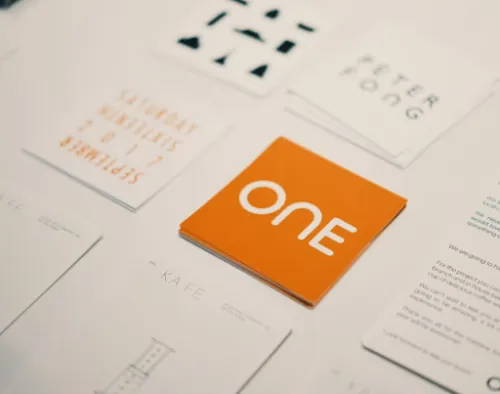
Brands such as Apple, Airbnb or Spotify demonstrate how consistency in visual language strengthens recognition and builds trust over time. Their visual identities remain coherent regardless of the platform, making them instantly recognisable to millions of people worldwide.
In advertising, visual language is used to capture attention in increasingly competitive environments. Every element (from photography and illustration to typography and layout) is selected strategically to reinforce the campaign's objective. A luxury fashion brand, for instance, may use minimalist compositions, elegant typography and soft lighting to communicate exclusivity, while a sportswear campaign might rely on dynamic imagery, bold colours and energetic compositions to express movement and performance.
The film industry offers some of the strongest examples of visual storytelling. Directors use composition, camera movement, lighting and colour grading to shape the audience's emotional response without relying entirely on dialogue.
For example:
- Symmetrical compositions can create a sense of order and precision.
- Warm colour palettes often communicate optimism, nostalgia or intimacy.
- Dark lighting and strong contrasts are commonly associated with suspense and mystery.
- Wide camera shots establish context, while close-ups emphasise emotion and character development.
Photography also demonstrates the power of visual language. A single image can document reality, tell a story or express complex emotions without using a single word. Composition, framing, focus and lighting all influence how viewers interpret the image, making photography one of the purest forms of visual communication.
Across all these disciplines, visual language transforms ideas into experiences. It helps audiences understand information faster, creates emotional engagement and reinforces the identity behind every creative project.
Why does visual language matter for designers?
For designers, mastering visual language goes far beyond creating attractive layouts. It is one of the most important skills for communicating ideas effectively, solving design challenges and building meaningful connections between brands and audiences.
Every design decision influences perception. Choosing the right typography, organising information through hierarchy or selecting an appropriate colour palette can completely change how users experience a product, a website or a brand. This is why understanding what is visual language is fundamental for professionals working across graphic design, branding, UX/UI, motion graphics and digital communication.
A strong understanding of visual language allows designers to:
- Build memorable brand identities that remain consistent across different channels.
- Communicate complex ideas using clear and engaging visual systems.
- Improve user experience by organising information logically and intuitively.
- Create emotional connections that strengthen relationships between brands and audiences.
- Adapt designs to different media, from print publications and packaging to websites, mobile apps and social media.
As technology continues to evolve, visual communication is becoming even more important. Digital platforms are increasingly image-driven, requiring designers to create content that captures attention within seconds while remaining functional, accessible and visually coherent.
Understanding the types of visual language also gives professionals greater creative flexibility. By recognising how different disciplines use visual communication, designers can develop solutions that respond to specific audiences, objectives and platforms while maintaining a consistent visual identity.
If you want to develop these skills professionally, ESDESIGN's Design Master's programmes provide the opportunity to explore graphic design, branding and visual communication from both a strategic and practical perspective. Through real-world projects, you'll learn how to create visual systems that communicate ideas effectively, strengthen brand identities and design experiences that connect with today's audiences.


