




The concept of branding and the brand design process
What is branding and what is it for?
When you ask what branding is, what it is for, or what it means, you likely already have a general idea: it relates to brands. Indeed, branding is the process through which a brand is built, either from scratch or by redefining an existing one that a company wants to refresh. Essentially, it consists of five elements or processes: brand naming, corporate identity, brand positioning, brand loyalty, and brand architecture.
When a company undertakes a branding process, it typically plans a series of tasks managed in a centralized way. On one hand, there are tasks related to the visual aspect of the brand. On the other, there are those more directly linked to communication. Equally important are positioning-related tasks, such as defining the target audience and the products or services that will be marketed under the brand.
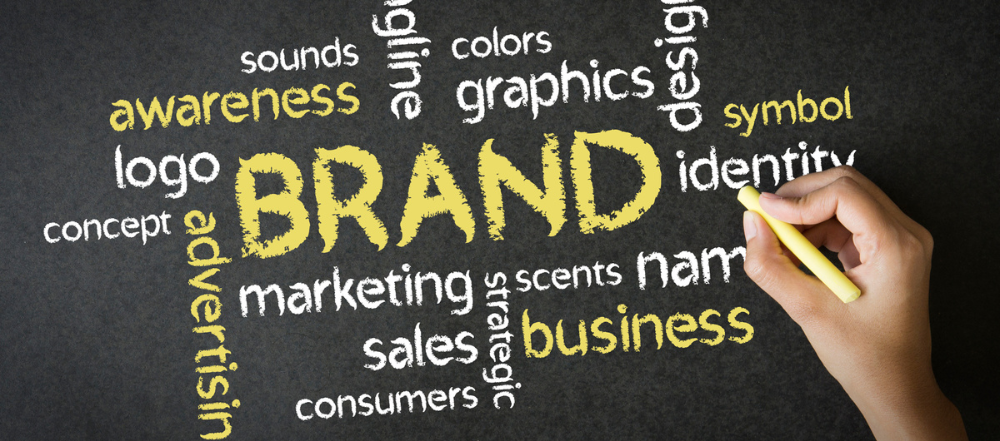
In short, branding is the management process of everything surrounding a brand’s creation, both tangible and intangible elements. Together, these elements shape the brand’s image and convey the messages defined by its creators.
Among the elements managed through branding are corporate image, the brand’s color palette, the identity of the brand or company, and all the guidelines included in its communication plan. All of this forms what is known as brand value. It allows the brand to be uniquely identified, made relevant, and differentiated from others.
If the corporate branding process is successful, the public will be able to identify the brand easily. Additionally, the company will position it as a reference within its sector. It will also ensure the brand’s presence across points of sale and encourage consumers to actively seek out its products. Ultimately, it keeps the brand top of mind when customers are making purchasing decisions.
Types of branding
Branding is not a uniform process; there are different types:
- Digital branding: Similar to traditional branding, but focused on brands or products launched exclusively in digital environments. It includes SEO positioning, digital advertising, and social media marketing. A global strategy is essential, prioritizing online positioning and subsequent growth.
- Corporate branding: One of the most widely used types in business. It builds a company’s identity both online and offline, aiming to create the image by which it is recognized.
- Product branding: Focuses on creating a brand image for a specific product, helping it stand out within its category. It uses elements that make the product uniquely identifiable.
- Personal branding: Increasingly popular in the professional world. It involves building an individual’s image as an expert, defining their values, and projecting them to a target audience. Its goal is to position a person as an authority in a specific field.
- Political branding: Used to build the image of a political party, candidate, or organization. It emphasizes personal branding for candidates and visual identity (logos, colors) for parties, along with messaging and campaign strategy.
- Social branding: Aims to create campaigns that enhance the image of a brand or product, build trust, and strengthen affinity with consumers.
- Country branding: Focuses on improving the image of a country or its regions, typically for tourism, business, and investment purposes.
Benefits of branding for a brand
Now that we have seen what the process of creating a brand consists of, it is time to review the benefits of branding for a brand, a company or a professional.
- Recognition of the brand or product by the customer: when a buyer identifies the colors, the corporate image or the logo of a brand or product that they know, there are more chances that they will decide to buy it. They will prefer it in many cases over other brands and products that they do not know. Because it will seem familiar and close to them. Especially if the image they have of that product is positive.
- Loyal customers: when a buyer starts buying a product, if they perceive that its quality is good, its price convinces them and the brand gives them a feeling of solidity and closeness, they will continue buying it. The brand will have managed not only to reach the customer through its image and identity. It will also retain them, because it will be easy to identify and find. And because it is attractive to them.

- Increase in trust: thanks to branding, the brand or product in question manages to capture the attention of its target audience and attract them. If the process of creating a brand identity is satisfactory, customers will be able to receive the message that its manufacturer wants to communicate to them. They will even perceive the personality of a brand. This, if they also consider it to be of good quality, will increase their trust in the brand or product.
- Greater ease in marketing other products: when a brand has carried out a good branding process for the launch of one or several products, or to strengthen its image, it has more possibilities of launching more products later with that brand. It will already be known to the public, which will make them more likely to buy its new products.
- Consistency: if branding is solid, the image of a brand will be much more consistent. This is how the public will perceive it, who will take less time to buy its products.
- Clarity and foundation for strategy: branding is one of the foundations on which a brand’s growth strategy should be based. That is why it provides solidity and clarity when checking whether one or several products comply with the image of the brand or the company. It also provides information and data on the degree of acceptance of the products. With all this, they will be able to continue on the same line for new launches or make the necessary adjustments to improve it.
- Customer attraction element: when branding is well done, the target audience for your products will approach them more easily thanks to the elements designed for the brand identity. They will perceive that it shares their values and that its products meet their needs, and they will buy them.
- Higher income: if in a branding process the necessary importance is given to marketing actions aimed at positioning a brand or product, as well as to its advertising, it will reach more people. Therefore, the chances of its products being sold increase, thus achieving higher income.
Examples of branding in major brands
One of the most outstanding examples of branding in major brands is perhaps Amazon. The company has even managed for its name to be identified only with its logo with a smile-shaped line. This, together with a name that is easy to remember in practically any language, and with very marked corporate colors, facilitates the recognition of the company. In practically any place where the most representative elements of its brand appear.
El Corte Inglés also has very well-developed branding. It is a process that began a long time ago, with a very marked logo and colors, and which is easily identifiable. Over the years it has undergone several renewals, with various revisions of the process, but the base of its branding remains practically the same. However, its image is much more modern today.


