

What does target mean when we talk about our target audience?
One of the most common questions when starting out in the world of marketing is what target means. It is one of those terms that is increasingly used not only by companies, but also by users.
It is very frequently used in both blogs and websites, and it is a term you definitely need to know, especially if you have a brand involved in marketing, design, or any related sector.
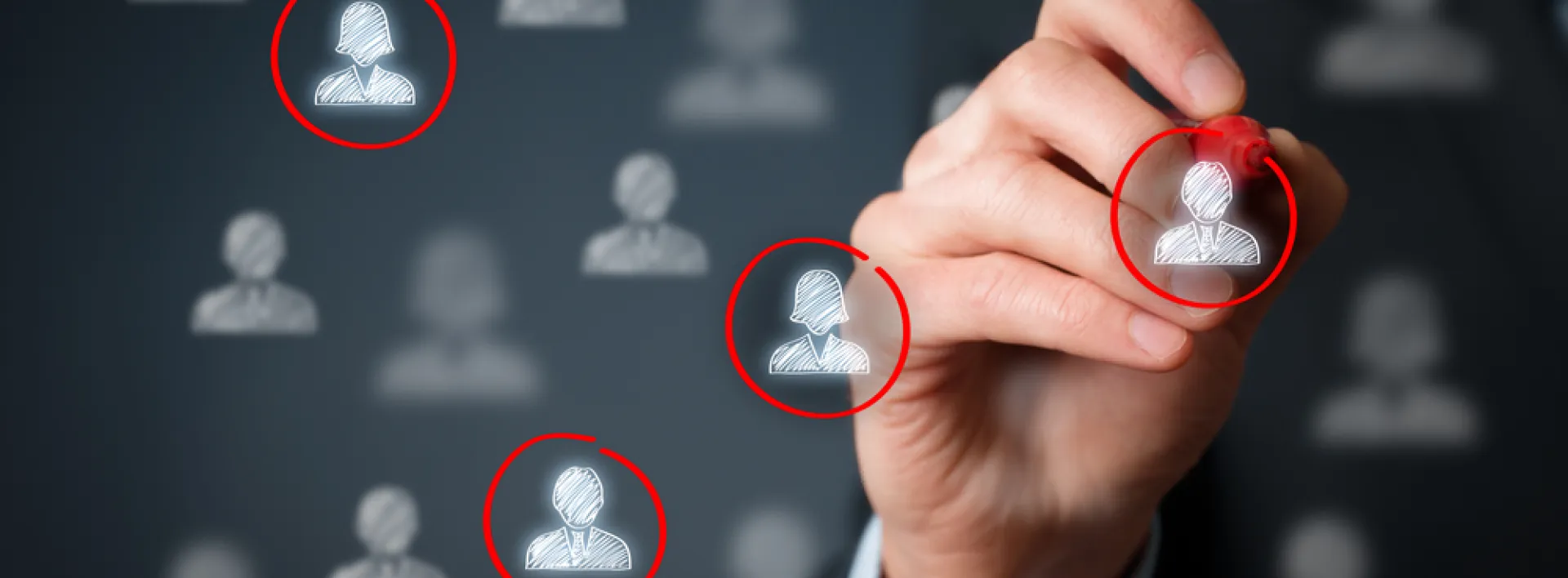
In this sense, we could answer the question of what target means by saying that it is the group of people to whom all the promotion and sales efforts for a product or service are directed.
What does defining the target mean in marketing?
Defining the target simply means determining what type of audience a digital publication, product, or service is aimed at. In short, it means establishing, based on our needs, who we are directing our work towards, and within advertising design, this is essential.
This aspect is extremely important, because if you are not able to do it properly, your product, message, or service will not reach the right audience and, therefore, you will not achieve the relevance you could have.
In case it is still not entirely clear what target means and how it is defined, let us give you some reasons why using it is important, for example, in advertising, a field where it is particularly relevant.
First of all, with a clearly defined target, your marketing strategy can be directed exactly at the type of users you are looking for. This, in turn, will help you set goals and objectives.
A second reason why defining a target is such a good idea is that it will allow you to carry out specific actions that are profitable for you. Keep in mind that actions that are not appropriate will only lead to a waste of time and money for your company.
Another very good reason is that the better you know your target audience, the easier it will be to respond to what your users need and to better understand their concerns. In addition, it will be much easier to choose which channels you can use to build stronger relationships with potential customers.
Just one more fact: defining the target audience incorrectly can cause significant damage to a brand.
How do you identify your target audience?
To identify your target audience, it is necessary to go through a series of stages. If you complete them all, you will have no problem defining your target audience.
Analyse your audience
First of all, why not get to know the people who are already with you a little better? Once you understand their characteristics well, you will then be able to look for new customers with similar traits.
To do this, collect data through forms or any other tool that allows it. Some of the data you can obtain includes age, language, location, interests, or purchase intent.
Social media
This way, you will gain a clearer understanding of what your potential customers like. Thanks to these tools, you will be able to fill in those information gaps that sometimes remain, while also seeing first-hand how they interact with other brands and on which platforms they are most active.
Your competition
Knowing your competitors and their modus operandi is also a great way to define your target, especially if you share similar objectives. If they are reaching an audience that you are not, it may be a good idea to address that segment.
What is the product or service you offer like? What need does it meet?
It is important that you understand the true value of what you offer, so that you are fully aware of what you are going to provide to your target audience. The more extensive the list of product benefits becomes, the clearer it will be who it should be aimed at.
Types of target audience and examples
When we talk about what target means, one thing should be said: there are many types of target audiences, as many as there are people in the world. You can segment by countless criteria: gender, education level, location, tastes and preferences, age, place of residence, profession…
The key point is to be able to think of an ideal user to whom the product is directed. Let us look at a couple of examples.
Sales example: T-shirts with rock band logos
The target audience could be men and women between the ages of 20 and 45 who enjoy rock music, whether single or in a relationship. These people generally enjoy music in general and tend to buy merchandise. Their location is usually large cities.
Example 2: digital photography course
This product or service may be aimed at people between the ages of 20 and 40 who live in a large city and have a medium to high level of education. They are usually creative individuals who enjoy the visual arts.
Difference between buyer persona and target audience
Although these are widely used concepts, they are very often confused. Let us try to shed some light on this, because if we want to understand what target means, we necessarily need to talk about buyer persona.
When we talk about the target, we refer to the psychographic and demographic data shared by a group of customers. This can be determined through market research and data analysis.
On the other hand, the buyer persona is something much more specific. The basic difference between the two lies in this specificity. The target refers to a broad group of customers, whereas the buyer persona focuses on specific individual members. We could say that it is the individual versus the collective.
It is a representation of the consumer and is used to define a company’s customer archetype. Unlike the target, which is based on psychographic and demographic information, the buyer persona also reflects characteristics and behaviours such as family background, hopes, dreams, and challenges faced.
Both the buyer persona and the target audience have their advantages and disadvantages; it is simply a matter of analysing which one is most suitable for you.


