



How to create a consistent visual identity for your brand
And when it comes to approaching that branding process, one of the most important aspects is the brand’s visual identity.
Not only because it defines the style and aesthetic direction of the brand throughout its journey, but also because it is the first thing users will remember about it. Visual identity is key for people to quickly associate a visual concept with a brand, whether consciously or unconsciously. Therefore, it is important to develop it properly.
What is a brand’s visual identity?
Broadly speaking, visual identity is the visible face of the brand; in other words, the set of visual and graphic elements that convey its values, personality, and positioning. Therefore, these are the elements people will associate with your brand at a single glance.
Building a strong visual identity is essential from two perspectives. On the one hand, it must reflect the brand’s reputation and values in order to gain users’ trust. On the other hand, it is also a commercial asset. The more visually appealing a brand is, the more likely people are to remember it over the competition. As a result, there is a greater chance of expanding the customer base.
Why is it important to build a strong visual identity?
As mentioned above, visual identity is what users will first remember and associate with a brand. In addition, building it properly is essential for the following reasons:
- Consistency. Visual identity is part of a company’s branding strategy and helps maintain consistency with what the brand wants to communicate. In a way, it is the visual and graphic representation of the brand’s values. For example, if one of a brand’s core values is its commitment to the environment, the most consistent approach would be for its visual identity to mainly feature green and brown tones, which are easily associated with nature, the environment, and eco-friendliness.
- Recognition. A strong visual identity allows people to identify a brand quickly. Which brand do you automatically think of when you see a yellow “M” on a red background?
- Differentiation. Another objective of building a visual identity is to differentiate ourselves from the competition. Not only that, but also to stand out from the rest of the companies in our sector.
- Trust. Human beings are almost always guided by first impressions. A brand’s visual identity is what shapes that first impression and is key to generating trust and credibility — or quite the opposite.
Elements that make up a corporate visual identity
The reality is that visual identity can include as many elements as each brand wishes to customise. However, these are the most common:
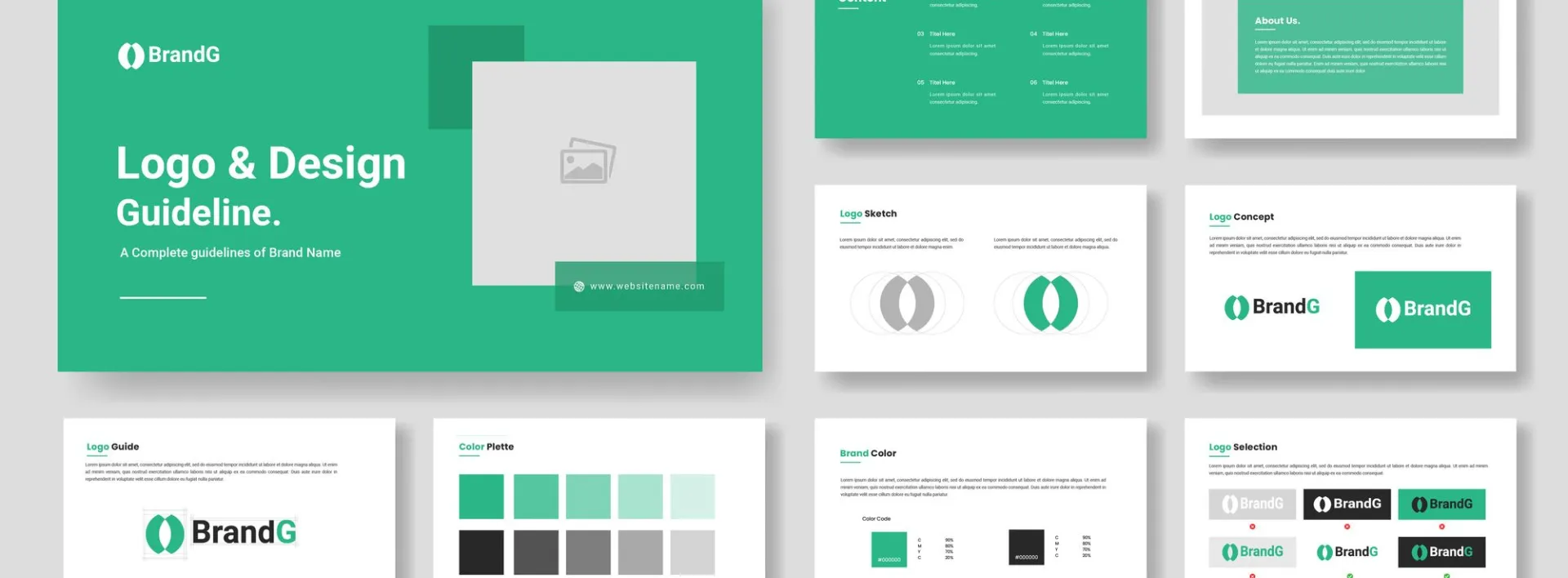
- Logo: the graphic symbol that represents and identifies the brand.
- Typography: should be chosen according to the values you want to convey.
- Colour palette: the colour range that will be used across all media and formats.
- Iconography: it is important to define what type of illustrations or icons will be used on each medium and which ones should be avoided.

How to create a visual identity consistent with your brand
Branding and corporate design professionals must know how to help companies define their own visual identity. This process requires close coordination with the management team, as well as with the sales and communications teams. These are the most important steps:
1. Understand the essence of the brand
The design professional must fully capture the essence of the brand, its values, and how it helps its customers. To do so, the company must have a clearly defined purpose, personality, and the principles it wants to communicate.
This step is essential and may require several meetings with all the teams involved in the company to ensure there is clear alignment between them. It is the starting point for building the entire visual identity and, more broadly, the corporate identity.
2. Define a creative direction
Once you have internalised the essence of the brand, the next step is to decide how to translate it into a visual identity proposal. At this point, it is useful to ask yourself:
- If the brand were a person, what qualities would define it?
- Which adjectives do you not want your brand to be associated with?
- How does it solve its customers’ problems?
- What feelings do you want people to have when they think about the brand?
Answering these questions will help you make the key decisions before designing the elements. For example, deciding what the main corporate colour, typography, or dominant visual style will be.
3. Design the graphic elements
Next, it is time to bring all the previous analysis into practice and develop a design proposal for all the elements that make up the brand’s visual identity. These elements, as well as the correct and incorrect use of each one, are set out in the visual identity manual.
4. Adjust the elements across different applications
Once the set of graphic elements has been designed, it is important to test how they work across different media and formats to check whether they truly perform well. For example, considering how the logo would appear on business cards, digital designs, sales presentations, email signatures, and so on.

Visual identity is the starting point for success
Building a brand’s visual identity and corporate branding is an exciting journey, but one that does not come without challenges. In our Master’s in Branding, Creativity and Brand Communication, we provide the technical knowledge and essential tools needed to overcome them.
With this programme, you will not only learn to master the most technical applications, but also how to identify, manage, and express the emotional dimension of brands.
Corporate branding is a concept that encompasses both the most practical and tangible aspects, as well as the emotional essence itself — that certain “something” that all brands that truly connect with audiences possess.
Develop your full creative potential with us!
